How to Set a Deadline You Will Actually Hit
realistic deadlines4 min read
Learn how to set realistic deadlines by working backwards from your available hours, not just the calendar date.
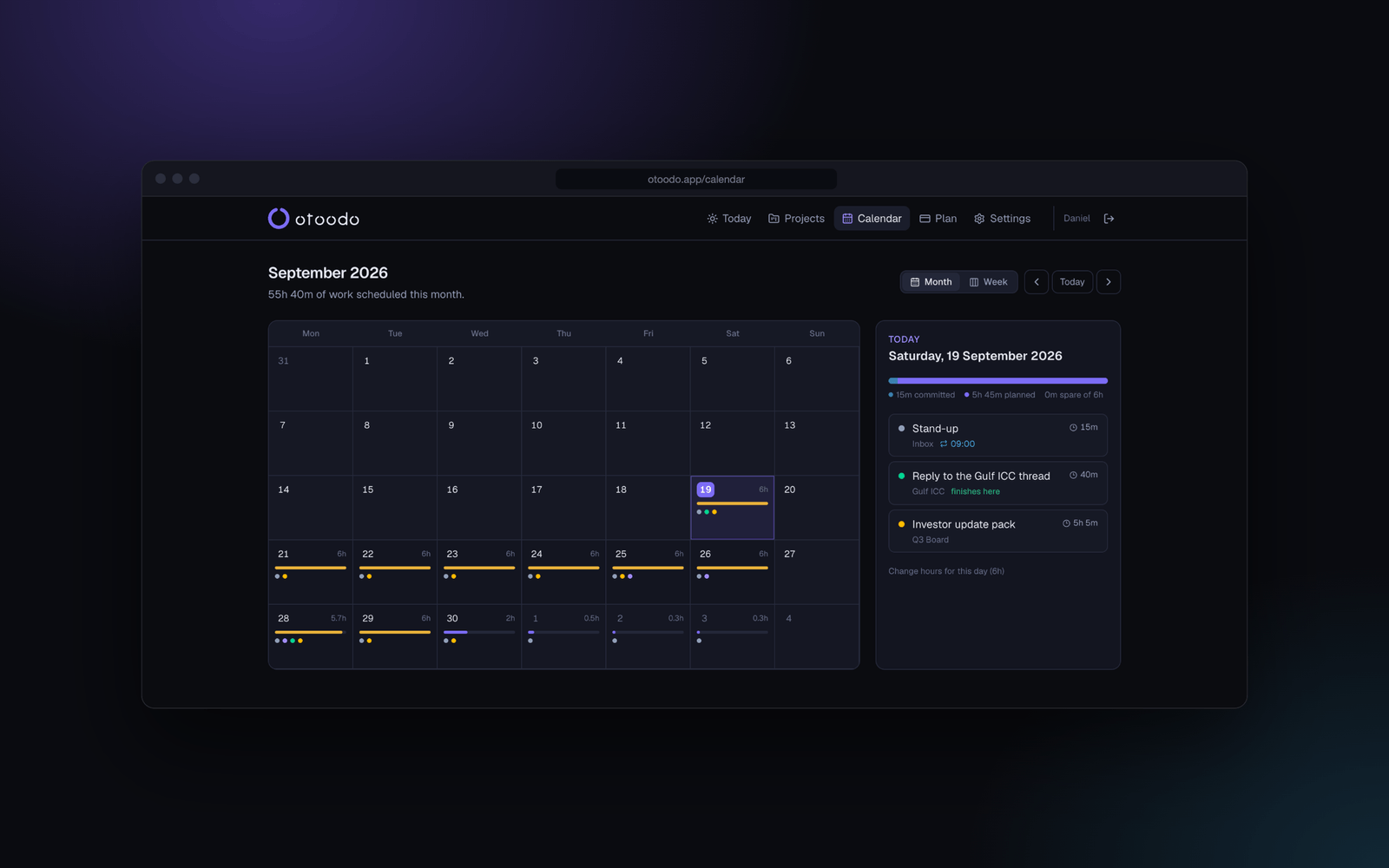
When you're juggling multiple projects, setting a deadline can often feel like a guessing game. You might estimate that a task will take two weeks, but without understanding your available hours, you risk setting yourself up for failure. Realistic deadlines are not just about when the calendar says something is due; they are about what you can actually achieve in the time you have. This post will guide you through the process of setting achievable deadlines by working backwards from your free hours.
The short version
- Assess your total available hours for the project duration.
- Break down the task into smaller components and estimate their durations.
- Calculate the total time required and compare it to your available hours.
- Adjust deadlines based on your findings to ensure they are realistic.
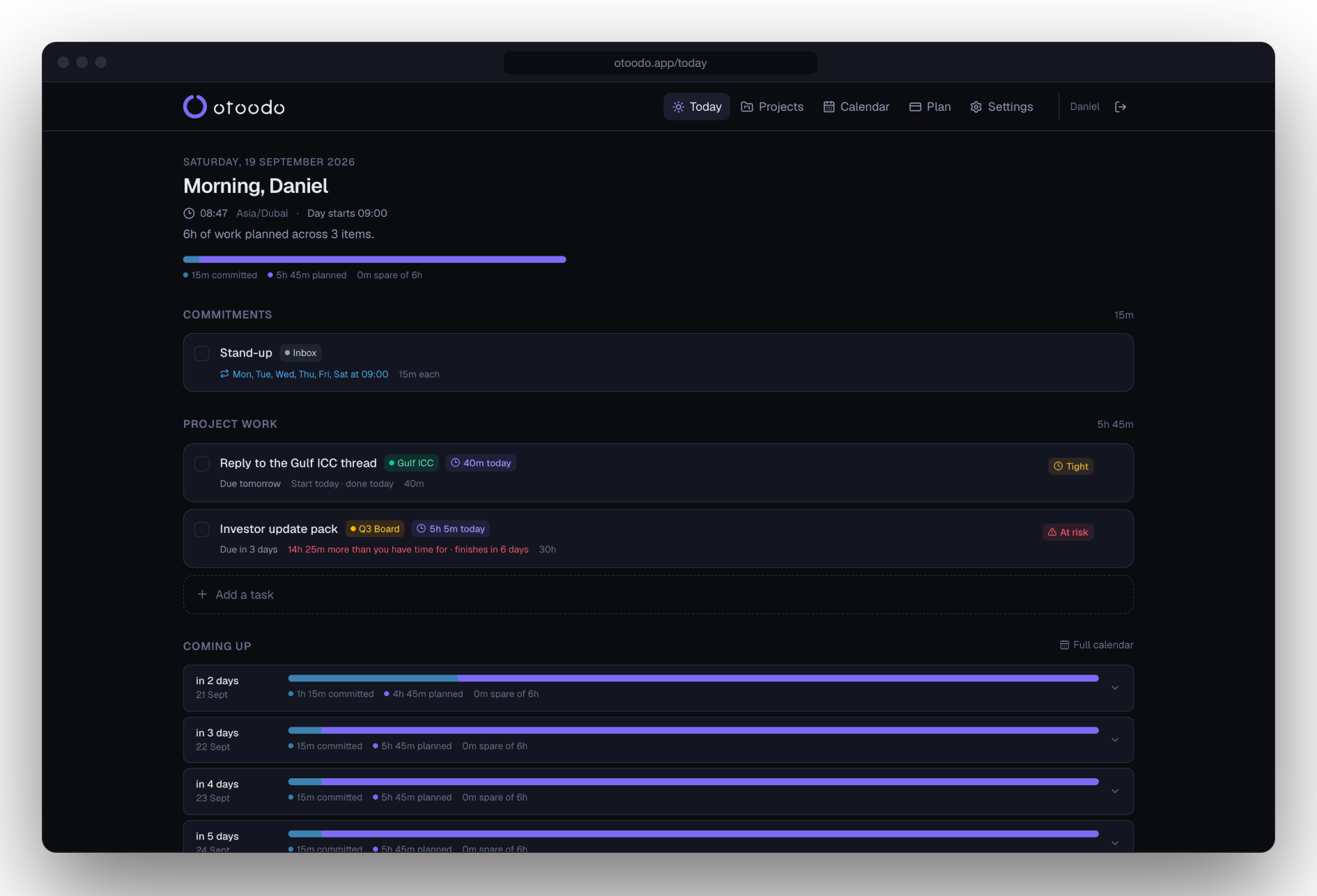
Understanding Your Available Hours
To set realistic deadlines, you first need to know how many hours you can actually dedicate to your tasks. This involves considering your regular commitments, such as meetings, emails, and other responsibilities that consume your time.
- Calculate Your Work Hours: Determine how many hours you can work each day. For instance, if you have a 40-hour workweek and plan to take two days off, you have 30 hours available for work.
Breaking Down the Task
Once you have a solid understanding of your available hours, the next step is to break down the project into smaller, manageable tasks. This can help you estimate how long each part of the project will take, making it easier to assess whether your overall timeline is feasible.
- Identify Key Components: List all the tasks that need to be completed for the project. For example, if you are working on a client proposal, your tasks might include research, drafting, revisions, and final review.
Total Time Required vs. Available Hours
Now that you have both your total available hours and the estimated time for each task, it’s time to compare the two. This is where the arithmetic comes into play.
Example Calculation
Let’s say you have a project that you estimate will take 20 hours to complete, and you have determined that you have 30 hours available over the next two weeks. Here’s how you can lay it out:
Adjusting Deadlines
If your total estimated hours exceed your available hours, you need to adjust your deadlines. Here are a few strategies:
- Prioritise Tasks: Identify which tasks are critical and which can be postponed or eliminated. If the proposal draft is essential, you might need to cut down on research time.
- Negotiate Deadlines: If a deadline is impossible, communicate with stakeholders early. They may appreciate the honesty and be willing to adjust the timeline.
- Reassess Workload: Consider if you can delegate some tasks or collaborate with others to share the workload. This is particularly useful if you’re managing a team, as it allows you to spread the work instead of cramming it all into your schedule.
The Importance of Feasibility
Setting realistic deadlines is not just about being optimistic; it’s about feasibility. By understanding your available hours and the time required for each task, you can avoid the pitfalls of overcommitting and underdelivering.
- Identify Shortfalls: If you find that your total estimated hours exceed your available hours, it’s crucial to acknowledge this shortfall. For example, if you estimate needing 35 hours but only have 30, you are 5 hours short. Recognising this early allows you to make informed decisions.
- Plan for Flexibility: Life is unpredictable. By building some buffer time into your deadlines, you can accommodate unexpected delays without compromising quality.
Common Pitfalls
While working backwards from your available hours can lead to more accurate deadlines, there are still common mistakes to avoid:
- Ignoring the Buffer: Failing to account for unexpected issues can lead to stress and missed deadlines. Always plan for contingencies.
- Overly Optimistic Estimates: It’s easy to underestimate how long tasks will take. Be realistic and give yourself enough time.
- Neglecting Recurring Tasks: Don’t forget to subtract the time needed for regular commitments from your available hours.
Conclusion
Setting realistic deadlines is a skill that can significantly enhance your productivity and reduce stress. By calculating your available hours, breaking down tasks, and adjusting deadlines based on feasibility, you can ensure that you meet your commitments without overextending yourself.
If you’re looking for a way to manage your tasks and deadlines more effectively, consider using otoodo. It’s a deadline-aware task planner that helps you understand what today must contain to meet your deadlines. You can start with 14 days of Pro for free, with no card required. Start free today.