To-do lists fail for one reason: they have no idea how long anything takes
why to-do lists don't work5 min read
Discover why to-do lists don't work and how estimates can transform your planning, ensuring deadlines are met without overwhelm.
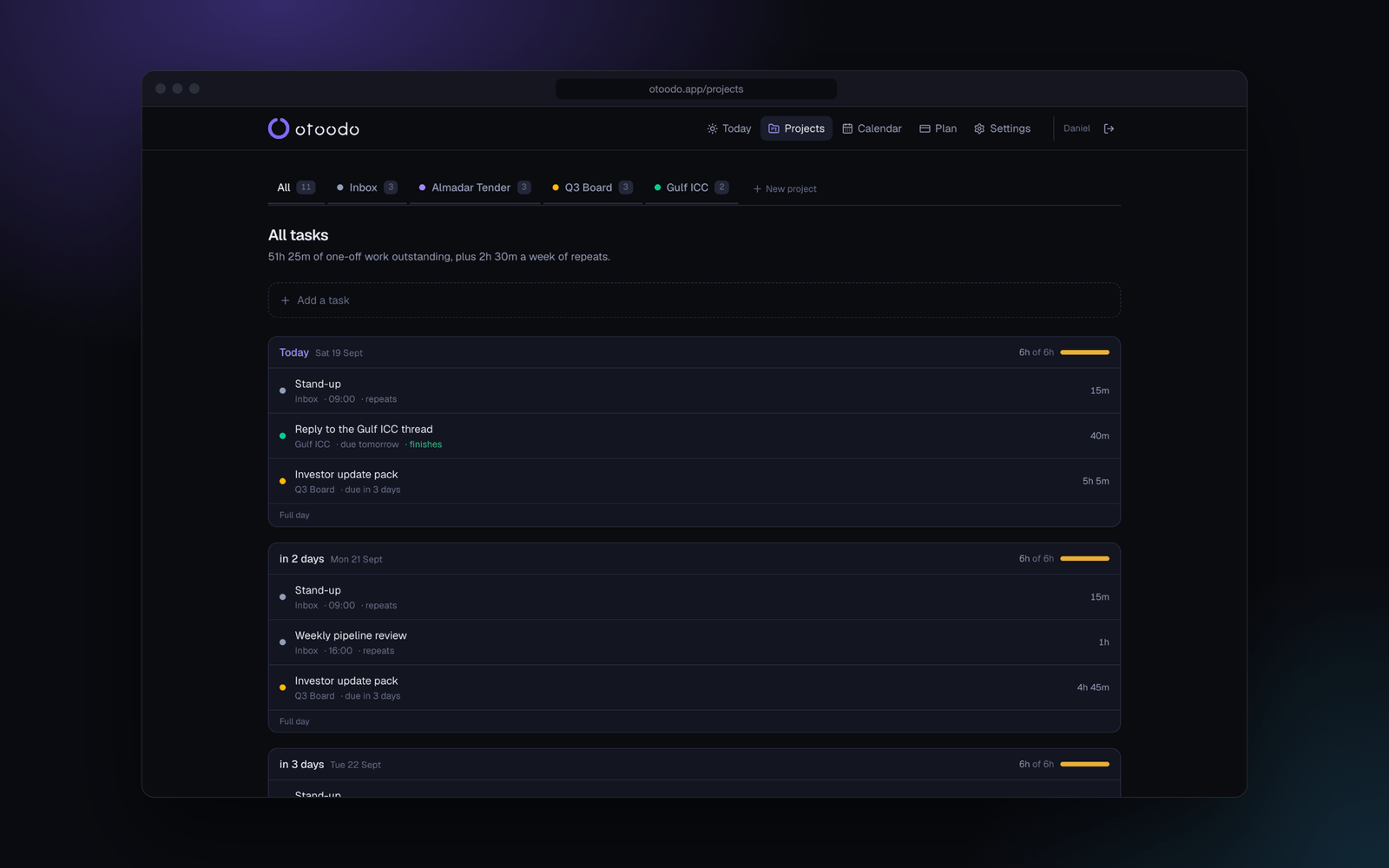
To-do lists are a common tool for managing tasks, but they often fall short in helping you meet deadlines. The fundamental flaw of traditional to-do lists is that they lack the ability to estimate how long tasks will actually take. This oversight can lead to unrealistic expectations, overwhelming workloads, and ultimately, missed deadlines. In this post, we will explore why to-do lists don't work, how to incorporate estimates effectively, and how a deadline-aware task planner can help you regain control over your time.
The short version
- Traditional to-do lists do not account for time estimates, leading to unrealistic workloads.
- Adding estimates to tasks can reveal if your day is overbooked.
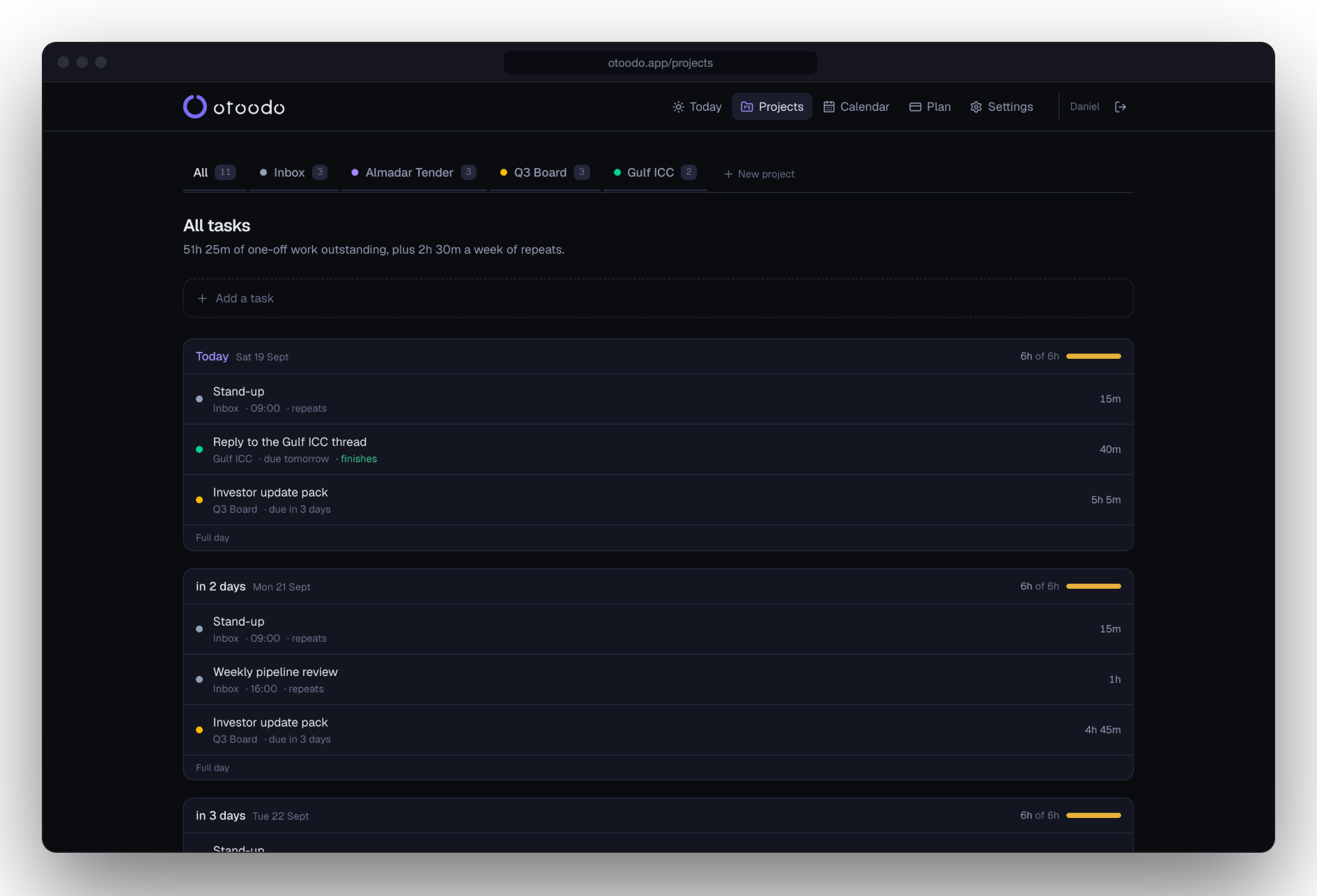
- A deadline-aware planner can help you understand what today must contain to meet your deadlines.
- Effective capacity planning is essential for meeting deadlines and avoiding overwhelm.
Why to-do lists don’t work
To-do lists are meant to simplify task management by providing a clear outline of what needs to be done. However, they often fail to deliver on this promise. The main reason is that they do not account for the time required to complete each task. Without estimates, a to-do list is merely a collection of tasks without any context regarding how long they will take.
Imagine a scenario where you have ten tasks on your to-do list for the day. Each task might seem manageable on its own, but without knowing how long each one takes, you could easily end up with an overwhelming workload. For example, if you have:
How estimates change the game
Incorporating estimates into your to-do list transforms it from a simple list of tasks into a powerful planning tool. When you assign a time estimate to each task, you gain insight into your workload and can make informed decisions about what to prioritize. Here’s how to effectively use estimates:
- Be realistic: Consider how long tasks usually take you. If writing a report typically takes three hours, don’t underestimate it by saying it will only take one hour.
- Break tasks down: If a task seems too large to estimate accurately, break it into smaller tasks. For example, instead of “Prepare presentation,” you could have “Create slides,” “Write script,” and “Practice presentation.”
A worked example
Let’s take a closer look at how estimates can impact your daily planning. Suppose you have the following tasks on your to-do list for Monday:
The limitations of estimates
While estimates are a powerful tool, they are not foolproof. Here are some limitations to consider:
- Estimates can be inaccurate: Time estimates are inherently subjective. Some tasks may take longer than anticipated, while others may be completed faster. This variability can lead to frustration if you find yourself consistently underestimating or overestimating.
- Some tasks are unpredictable: Certain tasks may involve unexpected complexities that can disrupt your schedule. For instance, troubleshooting a technical issue may take longer than planned and throw off your entire day.
Capacity-aware planning
To truly master your workload, you need a capacity-aware planning approach. This involves understanding not just what needs to be done, but also how much time you realistically have to accomplish it. Here are some tips for effective capacity-aware planning:
- Set working hours: Determine how many hours you can realistically dedicate to work each day. This will help you gauge how much you can take on.
- Consider recurring commitments: Account for regular meetings or tasks that take up your time. Subtract these from your available hours before planning new tasks.
Conclusion
To-do lists often fail because they do not account for how long tasks will take. By incorporating estimates, you can transform your to-do list into a comprehensive planning tool that helps you understand your workload and meet deadlines effectively. While estimates are not perfect, they provide a framework for realistic planning and help you avoid the overwhelm that often accompanies unmanageable workloads.
If you’re looking for a solution that takes the guesswork out of task planning, consider trying otoodo. It’s a deadline-aware task planner that does the arithmetic for you, ensuring you know exactly what today must contain to meet your deadlines. Fourteen days free, no card. Start your journey with otoodo today.